

I. Introduction
Why Nutrition Impacts Productivity
Proper nutrition is paramount for successful free-range chicken farming, as the quality of the chicken hinges on it. Cleanliness and good nutrition are fundamental for the successful growth of the flock. Feed represents a major operational expense, constituting about 70% of the total cost in raising chickens. Therefore, optimizing the diet is essential for maximizing both health and profitability.
Special Needs of Free-Range vs. Commercial Birds
Free-range chickens have different dietary dynamics compared to chickens raised in traditional cage farming systems:
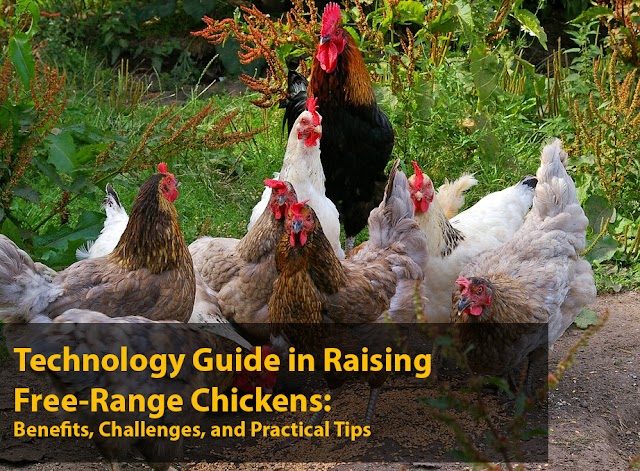
- Diverse Access to Food: Unlike chickens in traditional cage systems that eat only one kind of feed day in and day out, free-range chickens have access to a wide variety of natural foods while foraging, such as grass, insects, and worms.
- Health and Quality: The free-range hen’s diverse diet contributes to healthier eggs, which have reduced cholesterol and fat content and increased levels of omega-3, Vitamins A and E. This results in premium products that are antibiotic-free and natural.
- Growth Rate: Conventional chickens are often raised with hormones and preventive antibiotics and may be ready for harvest in 23 to 28 days. In contrast, free-range broilers typically require 60 to 75 days to reach market weight, emphasizing the importance of sustained, correct nutrition during this longer growth period.
II. Basic Daily Nutritional Requirements
A balanced feed for free-range chickens should consist of six basic components: carbohydrates, plant-based protein, minerals, fats, vitamins, and vegetables.
Protein Levels by Age
The specific ratio of protein and other components varies, especially between free-range formulas and conventional ones. For one organic free-range chicken feed formulation, the protein source constituted 20% of the diet, with the focus balanced between protein and carbohydrates.
Energy, Minerals, and Vitamins
- Carbohydrates: Sources of carbohydrates include yellow corn or binlid.
- Minerals: Necessary minerals include salt (asin) and lime (apog) or carbonized rice hull.
- Vitamins: Commercial free-range feeds include optimum levels of vitamins and minerals. For layers, a diet rich in vegetables results in yellow and orange yolks.
- Water: Clean water must be available at all times. Water should be changed twice a day (morning and afternoon), as dirty water is a source of disease.
III. Forage and Natural Feed Sources
Utilizing natural forage and farm waste is the key to minimizing the high cost of commercial feeds.
Grass Varieties
Chickens love to forage. They are allowed to roam and eat grass and weeds.
- Mombasa Grass: This grass is good for growing chickens and contains high protein. It can be chopped and mixed with commercial pellets to cut food expenses in half.
- Madre de Agua: The leaves of this plant are a good source of proteins and other nutrients. It is also listed as an acceptable environmental enrichment item.
Insects and Grubs
- Free-range chickens follow their natural instincts to look for food, including insects and worms.
- Meal Worms (Superworms): These can be mixed with dried worms to create a delicious and nutritious food source for chickens.
- Snails (Suso): Ground snails are included in homemade feed formulations as a protein source.
Garden Scraps That Are Safe to Feed
Chickens can eat leftovers from the kitchen and farm. Integrating these sources reduces reliance on expensive commercial feed.
- Protein/Meal Substitutes: Azolla or duckweed can be used as a substitute for rice bran (darak) due to its high protein content. The use of azolla integrated into the feeding system has been shown to increase the number of eggs hatched and is good for breeding chickens.
- Vegetables and Fruits: Safe items include chopped cabbage, water spinach, malunggay, and discarded produce. Farmers also feed banana and guava.
- Tubers/Root Crops: Boiled gabi, ube, kamote, and cassava can be used as a substitute for corn in homemade feeds.
- Leftover Protein/Fiber: Filter cake (taho), copra meal, and rice bran (darak) are common components.
IV. Commercial Feeds vs. DIY Feeds
Farmers can either rely on commercial rations or create their own cost-effective mixtures.
Starter, Grower, Layer Feeds
Commercial free-range feed should provide optimum levels of energy, protein, vitamins, and minerals. The type of feed changes with the chicken's age:
Age of Chicken | Feed Type | Purpose | Duration |
|---|---|---|---|
1-21 Days Old | Chick Booster (or Mash) | Helps chicks achieve their target weight. | 1 to 21 days (or 1 to 14 days) |
21-49 Days Old | Chick Starter (or Starter Mash) | Supports growth during the pullet stage. | 21 to 49 days (or 2 to 6 weeks) |
50-84 Days Old (Meat) | Broiler Finish or Corn | Supports mature meat bird growth. | 50 to 84 days |
64-90 Days Old (Meat) | Chicken Grower Crumble followed by Chicken Finisher | Alternative broiler regimen. | Day 64 to 90 |
19 Weeks and Above | Layer Feeds | For egg-laying hens. |
Homemade Feed Formulation
Farmers can create a cost-effective alternative by mixing local raw materials:
- Layer Feeds (Free-Range Mix): A standard blend consists of 25% darak, 25% corn, 25% copra meal, and 25% laying mash. Farmers may include a protein source, but focus is generally on carbohydrates.
- Home-made Ingredients: Other components include ground snails, mongo or soybean seeds, ipil-ipil leaves, salt, and lime.
Cost Comparison
Using homemade feeds drastically reduces costs compared to branded commercial feeds.
- Commercial Feed: A branded 50 kg sack can cost around Php 1,800 to Php 1,900.
- Homemade Feed: A 30 kg batch of homemade feed can cost around Php 600.
- Organic Feed: Pure organic chicken feed can cost Php 65 to Php 70 per kilo at the farm gate.
V. Supplements for Stronger Eggs and Immunity
Calcium
Providing calcium is necessary to help strengthen the shell of the eggs. Sources of calcium include:
- Lime (Apog) or crushed snails (susó).
- Crushed eggshells.
- Molasses is rich in Vitamin C and potassium, and is used in feed composition.
Grit
Hens should be given calcium or grits to make the eggshells firm.
Herbal Supplements
Herbal medicines are used in free-range systems as natural remedies to maintain the chicken’s health and keep the products antibiotic-free.
- Antibiotics: Garlic and red chili serve as natural antibiotics.
- Respiratory Problems: Oregano is used for respiratory issues.
- Detoxification: Lemon grass acts as a detoxification agent.
- Natural Purge/Deworming: Ipil-ipil leaves are included in homemade feeds as a dewormer, as are certain plant extracts.
- Oriental Herbal Nutrients: Farmers may use organic concoctions such as fermented amino acid or fermented plant juice/fruits/vegetables/spices (Oriental Herbal Nutrients/OHN) in drinking water.
VI. Feeding Schedule and Amounts
Consistency in feeding ensures that chickens receive the necessary nutrients at the right time.
Brooders (1–21 Days)
- Feed Type: Chick Booster (1 to 14 or 21 days).
- Quantity: Start small (15 grams/bird at week 1) and gradually increase up to 35 grams/bird at week 5.
- Water: Chicks should be given water with red sugar upon arrival. They should have access to clean water at all times.
Growers (21 Days to 18 Weeks)
- Feed Type: Chick Starter (up to 49 days) and Grower Feeds (up to 18 weeks).
- Foraging: Roaming and foraging begins around 60 days (2 months) old. This is the time when vegetables and local feeds can be integrated.
- Amount: The amount increases gradually from 40 grams/bird at week 6 to 93 grams/bird at week 18.
Layers (19 Weeks and Above)
- Feed Type: Layer Feeds (19 weeks and above).
- Amount: Layers consume approximately 122 grams of feed per hen a day. Total feed consumption per hen up to 78 weeks is about 45 kg.
VII. Seasonal Nutrition Adjustments
Managing nutrition must account for weather conditions, which are uncontrolled in the free-range system.
Wet Season Feeding
- During the rainy or chilly season, artificial incubators may be used to keep chicks warm.
- The use of fireless brooding (using rice hull as litter) and providing garlic extract in the evening helps give warmth to chicks during the cold season.
- If feeds get wet, the amount of feed should be doubled when administering.
Dry Season Feeding
- Heat Stress Management: Hens are photosensitive and are more productive during the summer due to longer sunlight exposure. However, heat stress is a threat.
- Hydration: Clean water is vital, especially on hot days. Waterers must be refilled twice a day.
- Forage: Providing adequate shade in the range area is necessary to minimize heat stress.
VIII. Common Nutrition Problems
Poor nutrition and sanitation can lead to low productivity, health issues, and cannibalistic behaviors.
Thin-Shelled Eggs
- Thin-shelled eggs can be a sign of poor calcium intake.
- The feeding ratio for layers must include calcium or grits to improve eggshell strength.
Slow Growth
- Slow growth can be remedied by strictly following the recommended feed type and amount for each age group.
- Insufficient foraging access or a diet lacking essential nutrients will result in slow growth.
Feather Pecking
- Injurious pecking or cannibalism is a serious behavioral problem.
- This behavior can be addressed through environmental enrichment to allow hens to behave naturally. Enrichment items that encourage foraging and pecking include corn cob, banana, hay, rice hulls, Madre de agua, and Talinum.
- As a last resort, the housing light can be temporarily reduced if other solutions to control pecking have been exhausted.
IX. Conclusion
Key Takeaways for Long-Term Nutritional Success
Success in free-range chicken nutrition requires a dedication to quality and resourcefulness.
- Prioritize Quality Over Speed: The longer, natural growth cycle of free-range chickens (75 days for meat birds, 5.5 months for layers to start laying) necessitates giving the right nutrition from the start, especially during the crucial first month of a chick’s life.
- Master Resource Integration: Since feed is the highest cost (70%), farmers must reduce expenses by integrating available natural forage (grass, insects, azolla) and farm waste (vegetables, tubers). This allows farmers to cut costs without compromising product quality.
- Maintain Cleanliness and Health: Keep everything clean and natural. Clean water is non-negotiable. Use vaccines as preventive measures so the chickens remain healthy without the use of antibiotics.




0 Comments