

The cost of raising chickens is dramatically influenced by feed, which is often cited as the two main cost variable, consuming a staggering 70% to 75% of the total cost of growing chickens. Given that commercial sacks of branded feed can cost between Php 1,800 to Php 1,900 for 50 kg, and even pure organic feed costs Php 65 to Php 70 per kilo at the farm gate, optimizing nutrition using available resources is the ultimate key to profitability in free-range farming.
Successfully feeding free-range chickens naturally involves balancing necessary commercial growth formulas with foraging, local crops, and herbal supplements.
I. The Free-Range Advantage: Foraging and Health
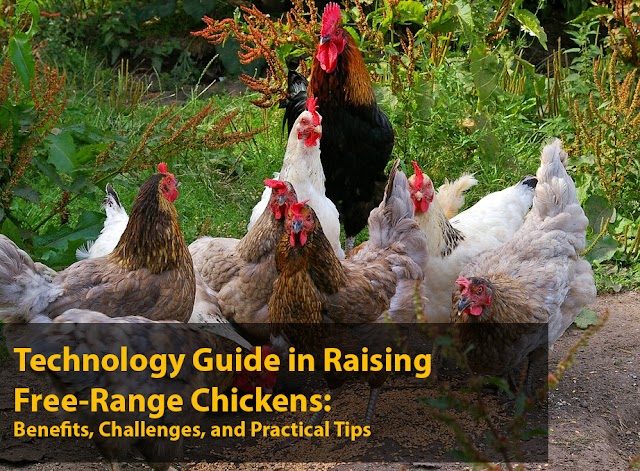
Unlike conventionally raised chickens, which eat one kind of feed day in and day out, free-range chickens have the freedom to roam and access a variety of food sources on the farm.
Foraging is a crucial part of the free-range lifestyle. Chickens follow their natural instincts to search for and consume food, including grass, weeds, insects, and worms. By allowing chickens to graze, farmers benefit from:
- Reduced Expenses: Foraging helps minimize the consumption of expensive commercial feeds.
- Healthier Products: The diverse natural diet results in healthier eggs with reduced cholesterol and fat, and increased levels of omega-3, Vitamins A and E. Furthermore, the meat is safer because it doesn't contain antibiotics nor chemicals.
II. Utilizing Local Crops and Farm By-Products
To dramatically reduce the 70% feed expenditure, farmers employ creative and resourceful feed hacks that leverage local vegetation and farm waste.
The Power of Plant-Based Substitutes
Free-range chicken feeds should consist of six basic components: carbohydrates, plant-based protein, fats, minerals, vitamins, and vegetables. Farmers can replace expensive grain components with abundant local crops:
- Carbohydrate Substitutes: Instead of relying solely on corn and rice bran (darak), cheaper carbohydrate sources include boiled gabi, ube, kamote (sweet potato), or kahoy (wood/cassava).
- Protein Sources: Madre de agua leaves are a good source of proteins and other nutrients. The grass variety Mombasa grass is also considered high in protein and is good for growing chickens.
- Azolla (The Super Supplement): Azolla or duckweed can be used as a protein substitute for darak. Studies suggest that integrating azolla into the diet increases the number of eggs hatched and improves body weight gain in broilers. Azolla is also hailed as the best source of protein and helps reduce mortality due to heat stress.
Integrating Farm Waste and Forage
Farm waste and by-products can be converted into nutritious feed, contributing to a complementary, closed-loop system:
- Chopped Greens: Chickens can be fed rejected produce from the market, such as cabbage and trimmings from vegetable crops. Water spinach (kangkong) and malunggay are also safe and healthy feed options.
- Grated By-Products: Farm animals can eat grated coconuts after the milk has been extracted and waste food from restaurants.
- Snails and Insects: Chickens actively consume insects and worms while foraging. Farmers can supplement with golden snails (suso) which can be ground up and included in homemade feed. Meal worms (superworms), mixed with dried worms, are also highly nutritious.
III. Homemade Feed Formulation and Cost Savings
For the cost-conscious farmer, formulating homemade feeds provides control over nutrients and expenditure.
DIY Feed Formulation Example
A traditional homemade chicken feed mixture (resulting in approximately 30 kg of feed) includes:
- 4 cans yellow corn or binlid
- 1.5 cans darak (rice bran)
- 1 can ground snails (suso)
- 1.5 cans copra oil meal
- 0.5 can mongo or soy bean seeds
- 0.5 can dried ipil-ipil leaves
- 1 tablespoon salt
- 1 handful lime (apog)
By creating this mixture, the cost for 30 kg can be around Php 600, significantly cheaper than a 50 kg branded sack costing up to Php 1,900. If the feed gets wet, the amount administered must be doubled.
Enhancing Immunity with Herbal Supplements
To ensure the chickens remain antibiotic-free and natural, free-range management relies on herbal medicines for preventive care:
- Natural Antibiotics: Garlic and red chili (sili) serve as natural antibiotics.
- Respiratory Care: Oregano is used for respiratory problems.
- Detoxification/Deworming: Lemon grass acts as a detoxification agent, while ipil-ipil leaves are used as a natural dewormer/purge.
- OHN Concoctions: Farmers also use Oriental Herbal Nutrients (OHN), which include organic concoctions of fermented amino acid, fermented plant juice, or fermented vegetables/spices, administered in the drinking water.
IV. Supplements for Quality and Health
Specific supplements are vital for improving egg quality and overall robustness.
- Calcium and Grit: To prevent thin-shelled eggs, hens must be given calcium or grits to strengthen the shell of the egg. Sources include ground snails (suso) and lime (apog). The banana trunk is also cited as being rich in calcium, Vitamin C, potassium, and molasses.
- Yolk Color: To achieve the desirable yellow and orange yolks, a diet rich in vegetables and greens is necessary. Marigold, cosmos, buto-butones, and the peelings of carrots, dragon fruit, and tomatoes are natural enhancers.
V. Feeding Schedule and Management Tips
Simple, consistent management ensures that chickens fully utilize their feed and environment.
- Timing: Chickens should be fed in the morning and afternoon.
- Water Management: Access to clean water is non-negotiable. Water is especially important on hot days and must be changed twice a day (morning and afternoon).
- Feeder Placement: Feeders should be hung. Hanging feeders serves two purposes: minimizing expenses by preventing waste, and ensuring the food is clean, thus minimizing the risk of disease.
- Bantam Care: Small breeds, like the Bantam chicken, require specialized feeding; they should be fed a pellet ready-soaked with water because their throats are not large enough to swallow dry pellets.
- Age-Appropriate Feeds: Follow the feed stage guidelines closely for optimal growth: Chick Booster (1–21 days), Chick Starter (21–49 days), and Broiler Finish or Corn (50–84 days).
By adopting these natural feeding strategies—combining structured commercial feed with prolific foraging, farm waste utilization, and herbal care—free-range farmers not only produce a healthier, antibiotic-free product but also significantly reduce the 70% cost burden associated with commercial feeds, leading to higher sustainable profits.




0 Comments