

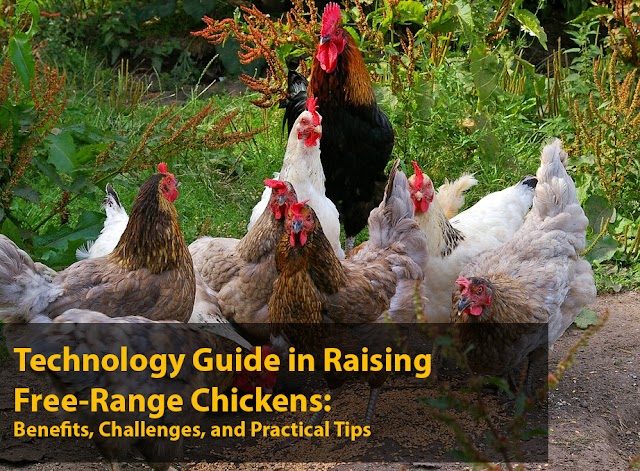
The philosophy behind free-range chicken farming is rooted in providing a natural environment that promotes the health and welfare of the animals. A cornerstone of this approach, particularly for farms aiming for antibiotic-free status, is the strategic use of herbal medicines and natural supplements. This commitment to natural inputs ensures that the final products—meat and eggs—are healthy and safe for consumers, being free from antibiotics, hormones, or steroids.
Successful free-range health management focuses on prevention and cleanliness. Farmers utilize easily accessible herbs and plants to treat common ailments, boost immunity, and provide essential nutrients, effectively reducing reliance on conventional veterinary inputs and lowering operational costs.
I. Herbal Remedies for Disease Treatment and Prevention
In a free-range system, where chickens are exposed to the elements, viruses and bacteria cannot be completely prevented. To keep the flock healthy and maintain an antibiotic-free designation, farmers employ specific herbal treatments for common health issues.
Combating Infections and Ailments
Herb/Plant | Primary Use | Application Method | Source |
|---|---|---|---|
Garlic | Antibiotic agent, also used for deworming and treating bumble foot. | Included in Oriental Herb Medicine (OHN) concoction. Garlic extract can be given in the evening to provide warmth to chicks during the cold season. | |
Red Chili (Sili) | Serves as an antibiotic. | Used in Oriental Herb Medicine (OHN) concoction. | |
Ginger (Luya) | Treats respiratory tract sickness and is used in the OHN concoction. | Boil for 10 minutes and add to the drinking water for 3 to 5 days. | |
Oregano | Treats respiratory problems. | Can be fermented with molasses for seven days to enhance its properties. | |
Lemon Grass (Tanglad) | Acts as a detoxification agent and is used to treat Newcastle Disease and Fowl Pox. | Can be used to make Fermented Plant Juice (FPJ) and given in drinking water three times a week. | |
Guava (Bayabas) Leaves | Used as an antiseptic or wound wash. | Boil the leaves for 10 minutes, strain, and use the liquid to wash wounds. | |
Eucalyptus, Alagao, Lagundi | Treats respiratory tract sickness. | Boil the leaves for 10 minutes and provide in the drinking water for 3 to 5 days. | |
Turmeric (Luyang Dilaw) | Acts as an anti-inflammatory, antimicrobial, and anti-oxidant agent. Also treats bumble foot. | Crush the plant and apply to the affected area for bumble foot. For systemic benefits, add 1/2 teaspoon to feed daily for 3 to 5 days. |
Natural Deworming and Parasite Control
Parasites and worms compete with chickens for nutrition. Natural methods are used to manage internal and external pests:
- Internal Parasites (Worms): Natural deworming agents include ipil-ipil, which acts as a natural laxative or purgative. Other natural remedies for worms include extracts from cayenne pepper, pineapple crown (1 ml for large birds, 0.5 ml for small birds via syringe), star apple leaves (kaimito), and Kakawate (Madre de Cacao) leaves.
- External Parasites (Lice and Mites): For controlling lice (kuto), farmers can use leaves of tobacco and neem tree placed in the nesting area. Kakawate (Madre de Cacao) leaves can be pounded and used as a shampoo. Chickens also naturally engage in dust bathing to remove parasites from their feathers.
II. Homemade Herbal Concoctions and Supplements
To increase the nutrient value of feed and boost the chicken’s immunity, farmers create fermented extracts, often referred to as Oriental Herbal Nutrients (OHN).
Oriental Herbal Nutrients (OHN)
This concoction is a form of fermented traditional medicine.
- Ingredients: It is typically made from a mix of garlic, onion, ginger, and chili.
- Preparation: The ingredients are fermented with molasses and vinegar for approximately two weeks.
- Application: The resulting organic concoction is then mixed into the chickens' drinking water. This is usually done every other day or three times a week.
Fermented Plant/Fruit Juices (FPJ/FFJ)
The production of Fermented Plant Juices (FPJ) involves acquiring young materials, chopping them, adding molasses, and fermenting the mixture for seven days. This fermentation process is essential for breaking down fiber and increasing the nutrient value of the foodstuff, making it more digestible for the chickens. These fermented liquids are used to boost the immune response of the animals.
III. Natural Supplements for Growth and Egg Quality
Beyond disease prevention, specific natural sources are used to optimize productivity and the aesthetic quality of the final product.
Calcium and Grit for Egg Strength
- Requirement: Hens must be given calcium or grits to strengthen the shell of the egg.
- Sources: Natural calcium sources include crushed snails (suso) or crushed eggshells. Lime (apog) is also added to homemade feed formulations.
- Other Minerals: The sources note that coconut oil may be used as a fat source, and molasses is sometimes included in mixtures.
Natural Yolk Color Enhancers
The rich color of free-range eggs is a key marketing point, and farmers use natural ingredients to enhance yolk pigmentation:
- Vegetable Diet: Feeding the hens a diet rich in vegetables helps achieve a desirable yellow or orange yolk.
- Specific Plants and Scraps:
- Marigold, Cosmos, and Buto-butones are used as agents to make egg yolks more yellow.
- Carrot peelings, dragon fruit, and tomatoes are used as natural enhancers to deepen the red/orange color of the egg yolk.
Environmental Enrichment (Natural Forage)
While not supplements in the traditional sense, environmental enrichment items serve dual purposes: they provide therapeutic stimulation, reducing harmful behaviors like feather pecking, and are often consumed, supplementing the diet.
- Locally Available Enrichment: Recommended enrichment items that can also serve as feed include:
- Hay
- Rice hulls
- Banana
- Corn cob
- Madre de agua leaves (a good source of protein and nutrients)
- Talinum (also known as Philippine spinach)
IV. The Role of Natural Farming in Biosecurity
The use of herbal and natural treatments is tightly linked to biosecurity, which is the practice of protecting the farm from disease. By maintaining clean and natural practices, the farmer can manage health without compromising the antibiotic-free status of the poultry.
- Vitamins and Electrolytes: During stressful periods, such as when conditioning breeders or after hatching, chicks may be given vitamins or electrolytes. For instance, hens that have been laying eggs for consecutive months may be injected with vitamins to restore their health and nutrients.
- Vaccination as Prevention: Even with a strong commitment to natural treatments, vaccination is necessary and highly recommended. Vaccines, like the NCD B1B1 and Coryza vaccine, are considered preventive measures that help chickens fight off viruses and bacteria, reducing the need for treatment later. This strategy ensures the chickens remain antibiotic-free and natural.
In summary, free-range chicken health management is a comprehensive system where the chicken coop acts as the "natural pharmacy". By integrating specific plant extracts and homemade organic concoctions, farmers maintain the integrity of their ethically raised poultry while ensuring the health of the flock and the safety of the final product. This reliance on "natural remedies" is a distinguishing feature of the free-range farming model.




0 Comments